Tag: human heath

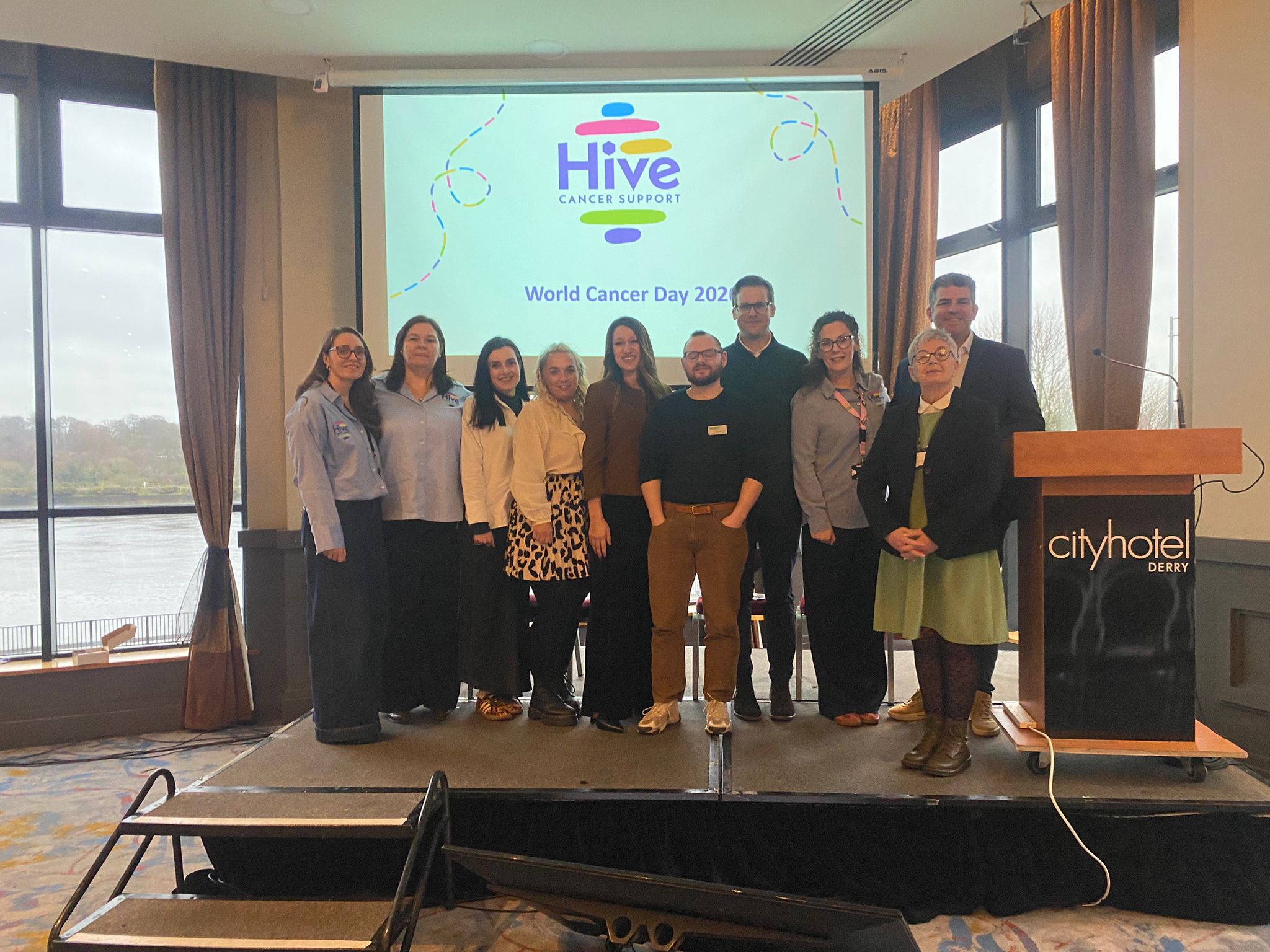
Hive Cancer Support have partnered with pRxEngage to help make clinical trial opportunities easier to find and easier to understand for people affected by cancer.


There is a vast amount of research taking place around the world, but many people never see what may be available to them.

This hub, provided by pRxEngage, allows you to explore trials by condition and location and access clearer, plain language trial information to support decision making.

It provides structured, plain language guidance so individuals can understand what a study involves, what participation may look like, and what questions to ask.

The aim is to help people decide whether a trial feels right for them personally, based on their needs and circumstances.

In doing so, pRxEngage supports informed choice and patient agency, bringing a more human lens to a process that can often feel technical and overwhelming.

Maureen Collins, Project Manager at Hive Cancer Support said: “Cancer doesn’t discriminate and it has always been a cornerstone of our work to challenge and redress inequalities in cancer prevention, diagnosis and treatment experienced by people in marginalised and under resourced communities .

“We know first hand from our members who have taken part in clinical trials what a life line they can be, but we also know how challenging and stressful it can be trying to find one that’s the right fit.

“By hosting the pRxEngage clinical trial hub on our website, we’re helping to make reliable clinical trial information more accessible for people living with cancer and their families.”

Hive’s Safer Swaps

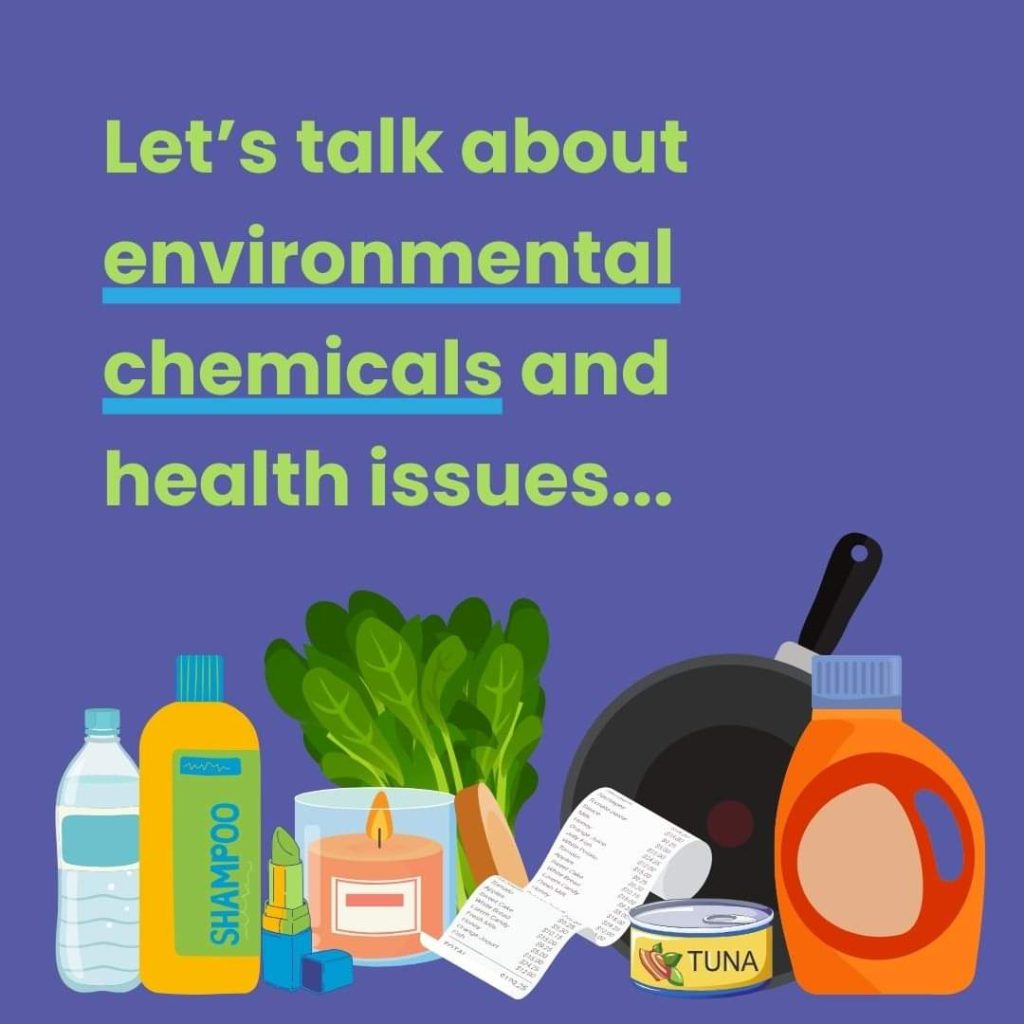
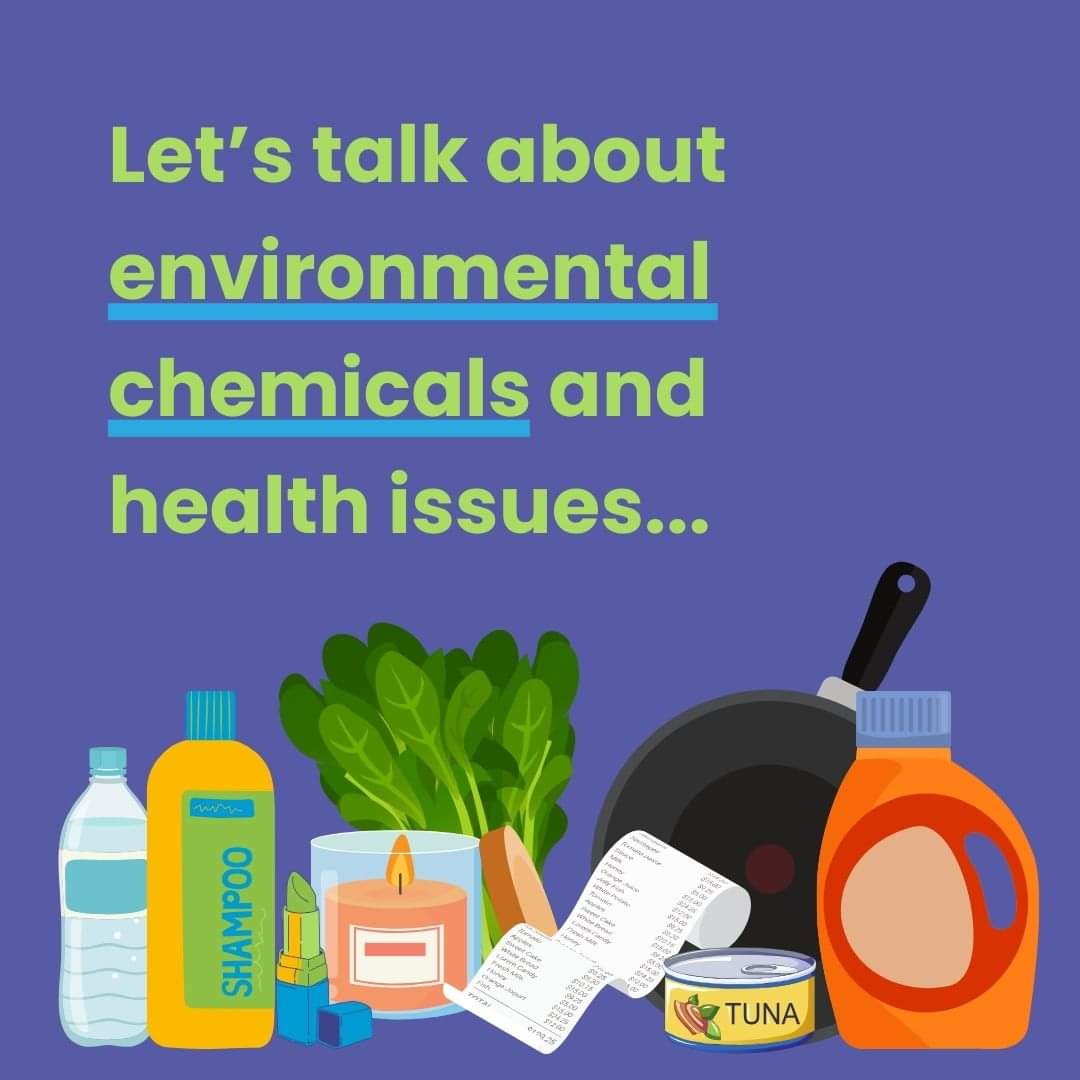
What are environmental chemicals?

Simply put, these are chemicals that we’re exposed to via our environment, which includes the foods we eat, the water and beverages we drink, the products we buy and use every day, the homes we live in, the buildings we work and go to school in, and in fact, the very air we breathe. 

Over 350,000 chemicals and chemical mixtures are estimated to be registered globally – that’s a lot! 

Why we should be concerned. 


While not all of those 350,000 chemicals are harmful ( many have made our lives safer and longer), there is a growing list of chemicals that are known or suspected of causing or contributing to serious chronic and acute health issues in people. 

Chemical exposures are linked to everything from hormone disruption, metabolic syndromes, neurological disorders, fertility issues, fetal developmental issues, behavioral issues in children, autoimmune issues, cancers, and more.

And, we are all exposed! For some chemicals, like PFAS, it’s estimated that 99% of people have them in their blood. 

The usual thinking when it comes to chemicals is that in order for them to be harmful, we need to be exposed to a large amount. But for some types of chemicals, specifically, endocrine-disrupting ones, very low levels of exposure matter, and are linked to serious health issues. 

What can we do?

The first thing to do is not panic! While learning about and addressing environmental exposures can feel overwhelming (especially if you’re learning about it on your own), it doesn’t have to be! 

Our goal is to start the process of reducing our exposure to as many harmful chemicals in our daily lives as we can. This typically entails making many small, but meaningful changes in your day-to-day choices and activities – things like minimizing the use of plastic in the kitchen, ditching the home fragrances, swapping to cleaner cleaners, and dusting more frequently, to name just a few. 

References: PMID: 31968937 PMID: 37662771 PMID: 31679856

https://chemsec.org/wrappedinchemicals/facts/pfas-fact-5/

https://chemsec.org/wrappedinchemicals/facts/politics-and-regulations-fact-3/

Edinburgh Conference on human health

In June we travelled to Edinburgh to represent the North at Amphora’s ‘Our Air Quality, Our Food, Our Health: Amphora and Human Health’ two-day conference.

Amphora is a 3-year research project about human health, nutrition and air pollution from agriculture.

It’s run by a team of researchers and is funded by the National Institute for Health Research.

Hive Cancer Support is proud to be part of this important piece of research which has important implications.

The conference was a fantastic opportunity to meet with experts in this field.

Maureen Collins, our Project Manager and Jacquie Loughrey, our Education and Prevention Officer also had the chance to share their knowledge and our groundbreaking approach to Cancer prevention with delegates from across Britain.

Being part of projects like this is also an important part of the lobbying and campaign work that is central to Hive Cancer Support.